This technology provides for a method to digest and filter a sample of synovial fluid in order to properly and conveniently isolate monosodium urate monohydrate (MSU), calcium pyrophosphate or basic calcium phosphate crystals from the sample and immediately analyze the sample with a dedicated, portable, Raman spectroscopic system at the point of care. The efficient sampling process utilizes both off-the-shelf and customized components that enable collection and sample preparation to be carried out simply and quickly. The cost-efficient and automated 785nm OEM Raman device provides unsupervised peak detection and automated analysis in LabVIEW. Separate analyses demonstrate that the sample preparation process does not increase background fluorescence. The technology is funded by an NIH grant of approximately $1.2 million. The studies are currently screening 200 clinically collected samples to assess sensitivity and the specificity of the method in identifying crystal species. The practical uses for a desk top Raman spectroscopy instrument are based on the possibility of delivering an answer regarding the presence or absence of crystals in synovial fluid or urine at the point of care. Based on the preliminary data to date for analysis of synovial fluid, this instrument has the potential to replace the need for a pathologist or rheumatologist to perform microscopy with polarization to identify crystals. For free standing urgent care facilities or small hospitals that lack 24 hour availability of personnel to perform this CLIA level 2 procedure, a definite diagnosis can be made in less than 90 minutes regarding the presence or absence of monosodium urate crystals or calcium pyrophosphate crystals. Desktop Raman spectroscopy also has the potential to identify crystals not easily identified with microscopy, such as hydroxyappatite crystals, even in hospitals that do have 24 hour crystal interpretation available. In larger hospitals, definitive diagnosis of crystal related arthropathy or nephropathy still requires confirmation by a physican, a procedure that is not readily available during the night and on weekends. Furthermore, a correct diagnosis of gout or nephrolithaisis without concomitant infection or renal insufficiency has the potential to reduce hospitalizations, thus sparing inpatient resources because of expedient diagnosis. In the case of radiolucent nephrolithiasis, this procedure may detect the difficult-to-diagnose condition of urate uropathy and also has potential to detect pre-clinical uric acid nephropathy. Ideally, uric acid nephropathy would be recognized at a stage in which microscopic deposits of monosodium urate crystals are occur in patients who have not yet had an episode of nephrolithiasis and could change the practice of treating hyperuricemia. PCT/US2014/041863 was filed on June 11, 2014, titled "Methods and devices for diagnosis of particles in biological fluids." The application claims priority to Provisional Application 61/833,688 filed on June 11, 2013. In the case of radiolucent nephrolithiasis, this procedure may detect the difficult-to-diagnose condition of urate uropathy and also has potential to detect pre-clinical uric acid nephropathy. Ideally, uric acid nephropathy would be recognized at a stage in which microscopic deposits of monosodium urate crystals are occur in patients who have not yet had an episode of nephrolithiasis and could change the practice of treating hyperuricemia.
 June 23, 2014




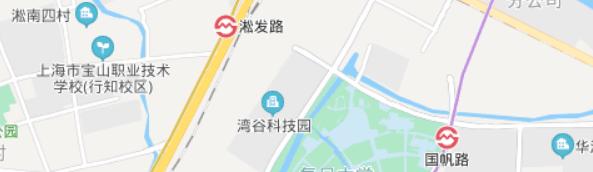
 B5, No.1600, North Guoquan Rd, Yangpu, Shanghai
 info@yintrust.com
 021-65679356
 Premium